
The Benefits of Using Compound Jointing and Sealer on Your Patio After Pressure Washing

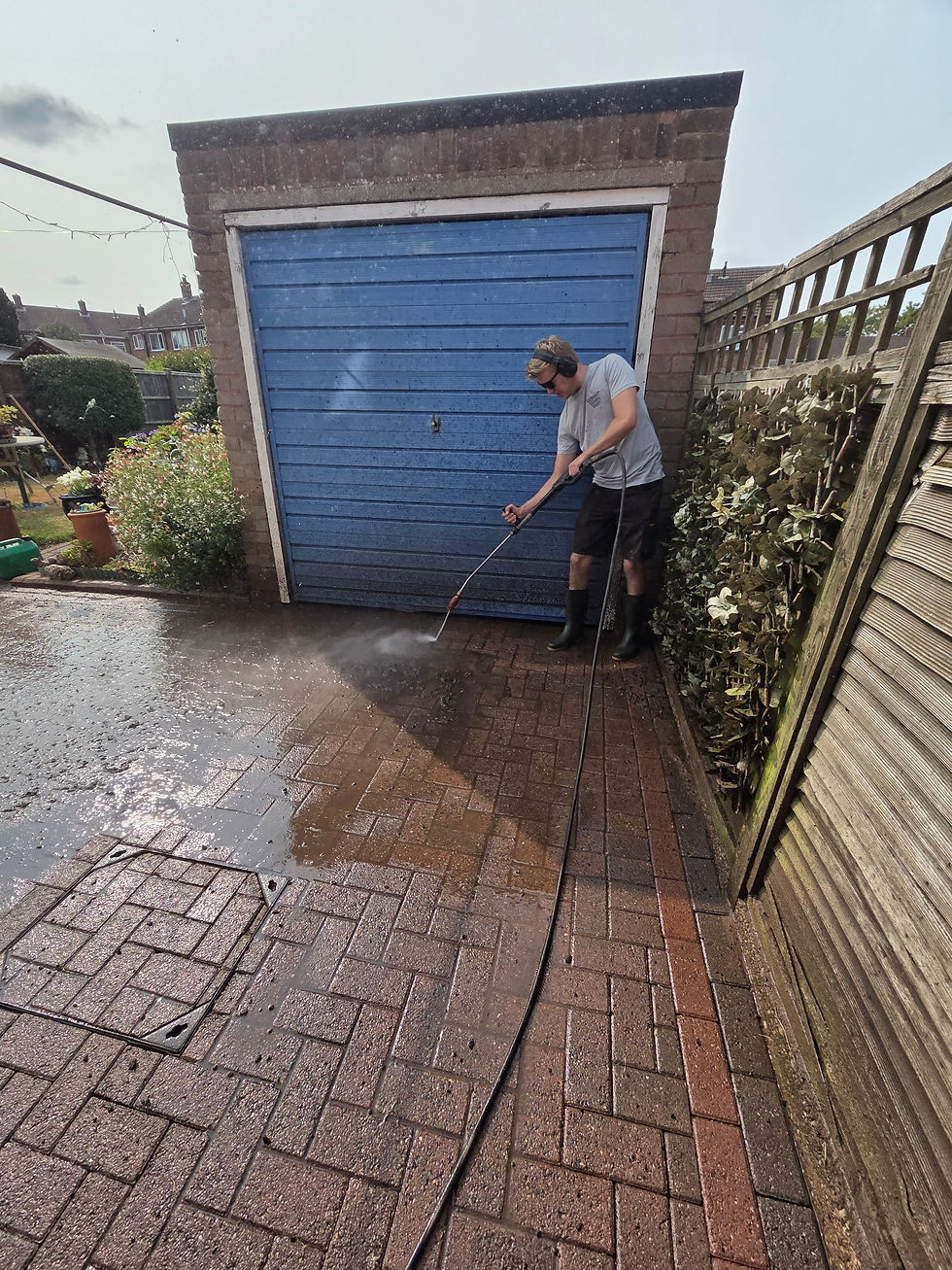
Keeping a patio clean and well-maintained is essential for preserving its appearance and durability. Pressure washing is a popular method to remove dirt, moss, and stains from patio surfaces. But what happens after the pressure washing is done? Applying compound jointing and sealer can make a significant difference in protecting your patio and extending its lifespan. This post explains why using these products after pressure washing is a smart choice for any homeowner.

Why Pressure Washing Alone Is Not Enough
Pressure washing blasts away surface dirt and grime, revealing the true condition of your patio. While it cleans effectively, it also exposes the joints between paving stones or slabs. These joints often contain sand or other filler materials that can wash away during cleaning. Without proper jointing, the patio becomes vulnerable to:
Weed growth between stones
Movement or shifting of paving slabs
Water penetration leading to frost damage or erosion
Simply put, pressure washing cleans but does not protect. This is where compound jointing comes in.
What Is Compound Jointing and Why Use It?
Compound jointing is a specially formulated mixture designed to fill the gaps between patio stones or slabs. Unlike traditional sand, compound jointing hardens to form a strong, durable bond that locks the paving in place. Here are some key benefits:
Prevents weed growth by sealing gaps tightly
Stops joint erosion caused by rain or wind
Reduces movement of stones, keeping the patio level and safe
Improves overall appearance with neat, uniform joints and allows for colour choice
Using compound jointing after pressure washing restores the integrity of your patio’s surface. It fills any gaps left bare by the cleaning process and strengthens the entire structure.
How Sealer Protects Your Patio
After applying compound jointing, sealing the patio surface adds another layer of protection. A sealer is a clear coating that penetrates the stone or concrete, creating a barrier against moisture, stains, and dirt. Benefits of sealing include:
Water resistance that prevents damage from rain and frost
Stain protection from spills like oil, food, or leaves
Easier cleaning in the future as dirt does not stick as easily
Enhances color and texture of the patio stones, giving a fresh look
Sealing is especially important after pressure washing because the cleaning process can leave the surface more porous and vulnerable. The sealer locks in the clean surface and compound jointing, extending the life of your patio.

Practical Tips for Using Compound Jointing and Sealer
To get the best results from your patio maintenance, follow these steps:
Pressure wash thoroughly to remove all dirt, moss, and old joint material.
Allow the patio to dry completely before applying compound jointing. Moisture can affect bonding.
Apply compound jointing carefully using a brush or trowel, pressing it firmly into the joints.
Remove excess jointing material from the surface before it hardens or stains
Let the jointing cure as per the product instructions, usually 24 to 48 hours.
Apply sealer evenly over the entire patio surface using a roller or sprayer.
Allow the sealer to dry fully before using the patio, which can take several hours.
Following these steps ensures your patio looks great and stays protected for years, preventing as much maintenance with repeated pressure washing.
When to Reapply Compound Jointing and Sealer
Patios face constant exposure to weather and foot traffic. It should take several years till any signs of wear but the signs it’s time to reapply include:
Visible cracks or gaps in joints
Weeds growing between stones
Water pooling on the surface
Faded or dull appearance of the patio
Reapplying compound jointing and sealer every 2 to 3 years helps maintain a strong, attractive patio while preventing more pressure washing or jointing.
Comments