
The Advantages of Sanding or Jointing Driveways and Patios Post Pressure Washing

Updated: Jul 26
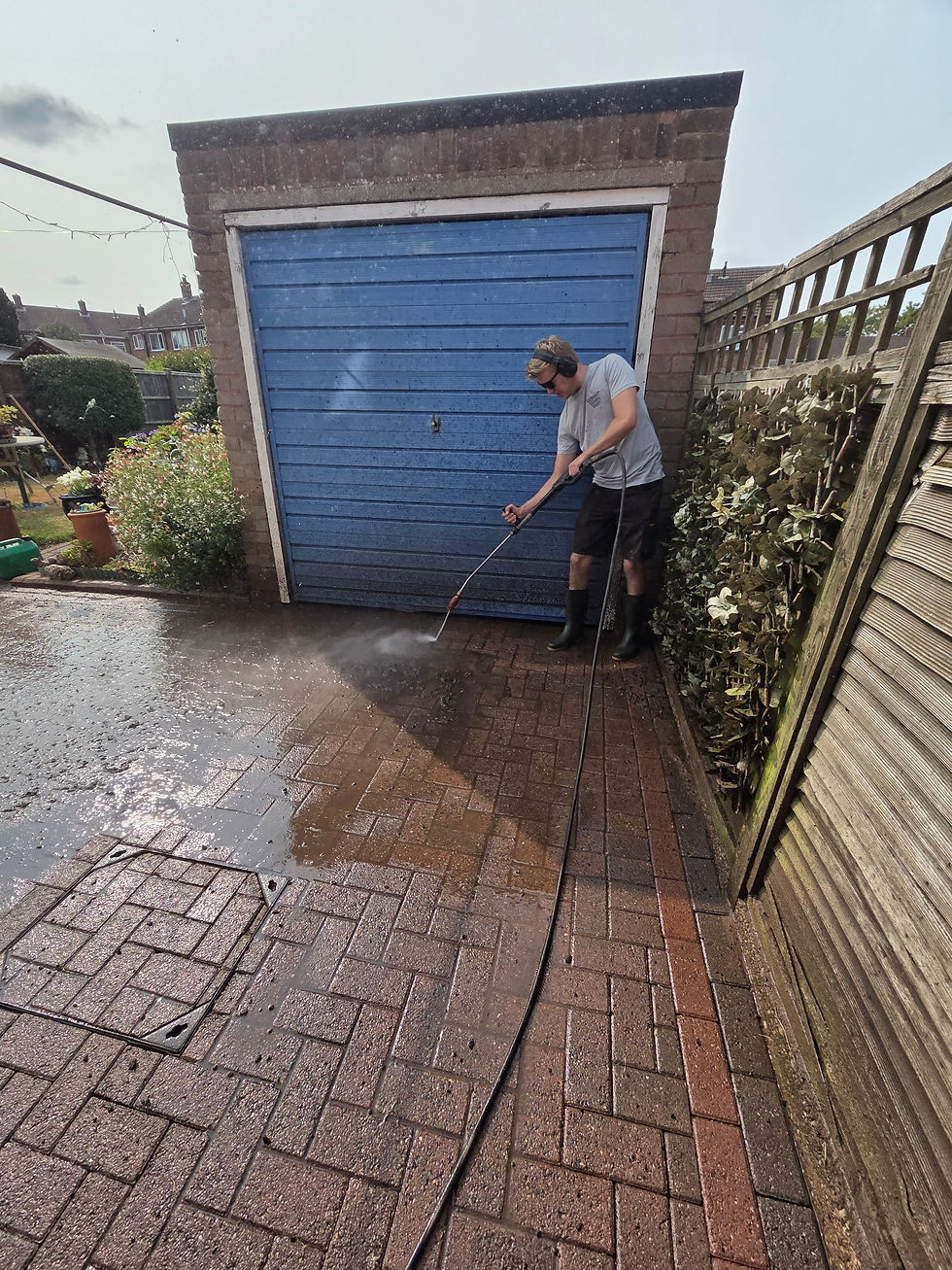
Pressure washing driveways and patios is a popular way to restore their appearance by removing dirt, grime, and moss. While this cleaning method is effective, it often leaves the joints between paving stones or slabs vulnerable by blasting out old failed mortar or removing all previous sand. Applying sanding or compound jointing after pressure washing offers several benefits that protect and enhance these outdoor surfaces. This post explores why adding this step is essential for maintaining the durability and look of your driveway or patio.

Why Jointing Matters After Pressure Washing
Pressure washing blasts away dirt and moss but also removes the material filling the gaps between paving stones or slabs. These joints are crucial because they:
Hold the paving stones in place
Prevent weed growth between slabs
Stop water from seeping underneath
Without properly filled joints, the paving can shift, crack, or become uneven over time. Weeds and moss can quickly return, undoing the cleaning effort. Water infiltration can erode the base layer, leading to costly repairs.
Sanding or compound jointing restores the integrity of these gaps, locking the paving stones firmly and creating a barrier against weeds and water damage.
Types of Jointing Materials and Their Benefits
There are two common jointing options after pressure washing:
1. Sanding (Polymeric or Dry Sand)
Sanding involves brushing fine sand into the joints. Polymeric sand contains additives that harden when moistened, creating a solid joint. This polymeric sand comes at a higher cost and is not our personal favourite for the price point but when set properly can provide a better barrier against weeds.
Benefits of sanding:
Easy to apply and affordable (kiln dried sand)
Dries quickly and hardens to resist erosion (polymeric)
Allows some flexibility, reducing cracking risk
Prevents weed growth and insect infestation (polymeric)
2. Compound Jointing (Resin or Cement-Based)
Compound jointing uses a mixture of resin or cement with sand to create a stronger, more permanent joint.
Benefits of compound jointing:
Provides a very strong bond between stones
Highly resistant to water and weather damage
Ideal for larger gaps between slabs or bricks
Long-lasting and low maintenance
Choosing the right jointing depends on your driveway or patio’s use, climate, and budget. For example, a block paving driveway is best sanded and weed killer applied in future due to the smaller joints that wont hold on polymeric or compound jointing. A patio with larger gaps however would benefit from compound jointing to hold the slabs in place, give a natural finish and also provide a barrier against weeds.
How Jointing Extends the Life of Your Driveway or Patio
After pressure washing, the surface looks clean but is vulnerable. Filling the joints properly helps:
Prevent shifting and loosening of paving stones
Reduce weed growth that can damage the surface
Stop water from eroding the base layer beneath the paving
Maintain a level, safe walking or driving surface
A well-jointed driveway or patio can last years longer without repairs. It also keeps the area looking neat and tidy, preserving your property’s curb appeal. When done properly, compound jointing can also withstand future pressure washing with proper precautions.

Practical Tips for Sanding or Jointing After Pressure Washing
To get the best results, follow these steps:
Allow the surface to dry completely after pressure washing before applying jointing material. Moisture can prevent proper adhesion on some brands and anything sand based.
Remove any remaining debris or loose material from the joints before filling.
Apply the jointing material evenly and compact it well into the gaps.
Brush off excess sand or compound from the surface to avoid staining or unevenness.
Water the joints lightly if using polymeric sand to activate the hardening agents, but avoid overwatering.
If you are unsure about the process or have a large area, consider hiring a professional such as Wilkinson Property Pro to ensure the job is done correctly.
Additional Benefits Beyond Protection
Besides structural advantages, jointing after pressure washing improves:
Aesthetic appeal by giving a clean, finished look to the paved area
Safety by reducing trip hazards caused by loose or uneven stones
Ease of maintenance since well-filled joints are harder for weeds to penetrate
This small investment in jointing can save money and effort in the long run by preventing damage and keeping your outdoor space attractive.
If you would like us to sand or compound joint your drive or patio with expert advice beforehand, then contact us to find out more and book.
Comments